The Network of Claims
What if the greatest burden we carry is not what we have done—but what we have left unresolved?
Near-death experiences often describe tunnels of light, out-of-body perceptions, or encounters with deceased relatives. Yet one account presents something remarkably different.
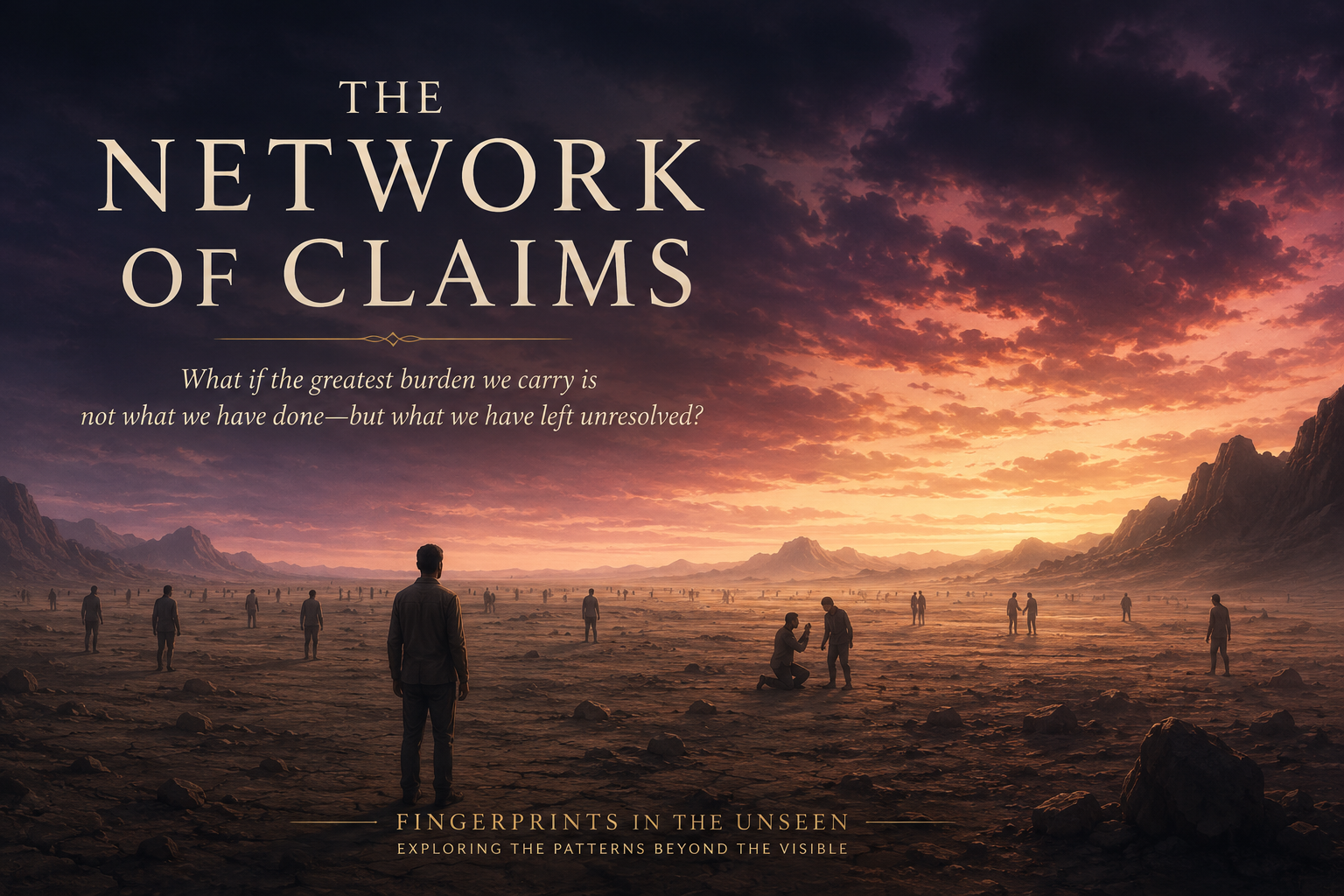
A man involved in a severe car accident entered a prolonged coma. During that experience, he described finding himself in a vast, barren landscape stretching endlessly beneath a dim twilight sky. The land was neither beautiful nor terrifying. It was empty of life, yet filled with countless people.
What struck him most was not the landscape itself.
It was what everyone was doing.
No one searched for wealth.
No one searched for power.
No one searched for knowledge.
No one searched for reward.
Everyone was searching for someone.
One man would finally find the person he had wronged and fall to his knees, pleading for forgiveness.
But the answer was never what he expected.
“I cannot forgive you until someone else forgives me.”
That second person would then begin searching for another individual over an entirely different matter.
Then another.
And another.
The experiencer said the chain appeared endless.
More remarkably, the disputes were not necessarily connected. One person’s unresolved grievance had nothing to do with the next person’s. Yet every unresolved claim prevented another from finding peace.
He watched this process repeatedly.
He never witnessed a successful resolution.
Only an endless network of people carrying unfinished moral relationships.
Much later in the experience, he described another scene.
People attempted to cross a narrow rope stretched between two mountains above a sea of molten fire. Some fell almost immediately. Others progressed further before falling. Some were struck by terrifying creatures and thrown into the flames below.
Most discussions of this experience focus on the rope, the volcano, or the frightening imagery.
I believe the more profound question comes earlier.
Why was he first shown a world entirely occupied with unresolved human claims?
A Landscape With a Purpose
We often read near-death experiences as though their settings are merely scenery.
Perhaps they are not.
Perhaps every landscape serves a purpose.
The barren plain described in this account was not simply where people happened to be.
Everything about it reflected one reality.
Nothing remained except unfinished relationships.
No cities.
No possessions.
No distractions.
No ambitions.
Only people searching for those whose forgiveness they still needed.
The environment itself appeared organised around a single function.
It was a place where ethical entanglements became impossible to ignore.
Within the vocabulary of Fingerprints in the Unseen, this may represent what I describe as the Network of Claims—a domain where unresolved moral relationships are no longer hidden beneath the distractions of ordinary life, but become the central reality confronting consciousness.
The Network of Claims
The experience suggests a possibility that extends far beyond a single extraordinary story.
Perhaps every meaningful interaction between human beings leaves behind more than memory.
A broken promise.
A betrayal.
A humiliation.
A forgotten kindness.
A wound left without repair.
The physical event ends.
The relationship does not.
Within the framework of Fingerprints in the Unseen, the Network of Claims is the invisible structure formed whenever one conscious being leaves an unresolved ethical claim upon another.
Whether interpreted literally or symbolically, the experience invites us to consider a profound possibility.
Our actions may never remain entirely our own.
Every meaningful act enters a living network of relationships whose consequences continue long after the moment itself has passed.
The Illusion of “Later”
Earlier that same day, before the accident, the experiencer shouted at his mother.
As he walked away, he immediately felt the desire to return.
He wanted to apologise.
He wanted to kiss her hands.
Instead, he thought:
“I’ll apologise when I come back.”
He never returned before the accident.
Perhaps the most important distance in the entire account was not the hundreds of kilometres travelled during the experience.
It was the two hundred metres he walked after leaving his mother’s house.
Within those two hundred metres, two versions of himself existed.
One recognised the wound he had caused and wanted to repair it immediately.
The other quietly postponed that repair until later.
Readers of The Offset Self may recognise this moment.
Our intentions often reveal the person we believe ourselves to be.
Our actions reveal the person we actually become.
The gap between those two selves is rarely dramatic.
Sometimes it is only two hundred metres.
Whether that moment explains why he found himself in that particular landscape cannot be known.
But it does expose one of the most dangerous assumptions we make.
That there will always be another opportunity to repair what we already know should be repaired.
Tomorrow.
Next week.
When life becomes less busy.
When the time feels right.
Sometimes there is a later.
Sometimes there isn’t.
Before the Crossing
The sequence of the experience deserves careful attention.
First came the endless search for forgiveness.
Only afterwards came the rope stretched above the fire.
Perhaps that order is meaningful.
Perhaps consciousness first encounters the network of unresolved relationships before confronting the consequences of carrying them forward.
This is not presented as certainty.
It is simply a pattern worth considering.
If so, then the rope is not the beginning of the story.
It is what follows when reconciliation remains unfinished.
The dragons become memorable.
The volcano becomes memorable.
But perhaps they are memorable because they come after the search, not before it.
The experience may be quietly suggesting that unresolved relationships are not a side story of human existence.
They are part of its architecture.
Living Before We Leave
Whether this near-death experience reflects objective reality, symbolic truth, or the deepest language of conscience is ultimately for each reader to consider.
Its ethical challenge, however, requires no supernatural belief.
Every day we leave fingerprints upon the lives of other people.
Some become gratitude.
Some become wounds.
Some remain unfinished.
Perhaps wisdom is not only measured by the promises we make.
Perhaps it is measured by the relationships we refuse to leave unfinished while time still allows us to repair them.
Because if there truly exists a Network of Claims, then death does not create our unfinished relationships.
It simply reveals the ones we spent a lifetime creating.
—
This article is part of the Fingerprints in the Unseen research series by Ehab Abdelmawla, published by Dimensional Ethics Press—an ongoing exploration of consciousness, ethical systems, and the hidden patterns that shape human experience.
Ehab Abdelmawla
Author • Founder of Dimensional Ethics Press
Exploring hidden systems, consciousness, human behavior, history, and the unseen structures shaping reality.
Author profile →Related Articles
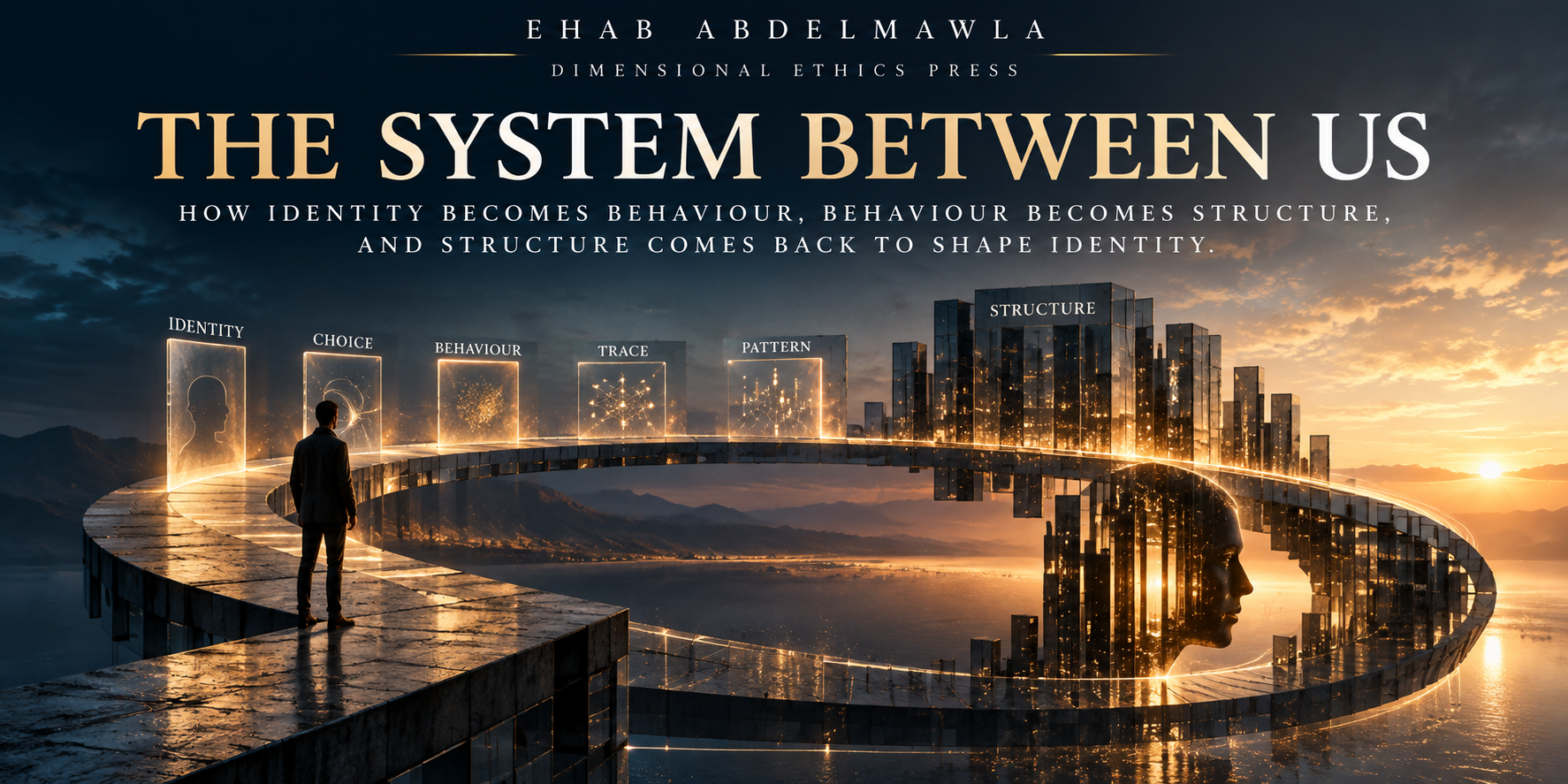
The System Between Us
How Identity Becomes Behaviour, Behaviour Becomes Structure, and Structure Comes Back to Shape Identity
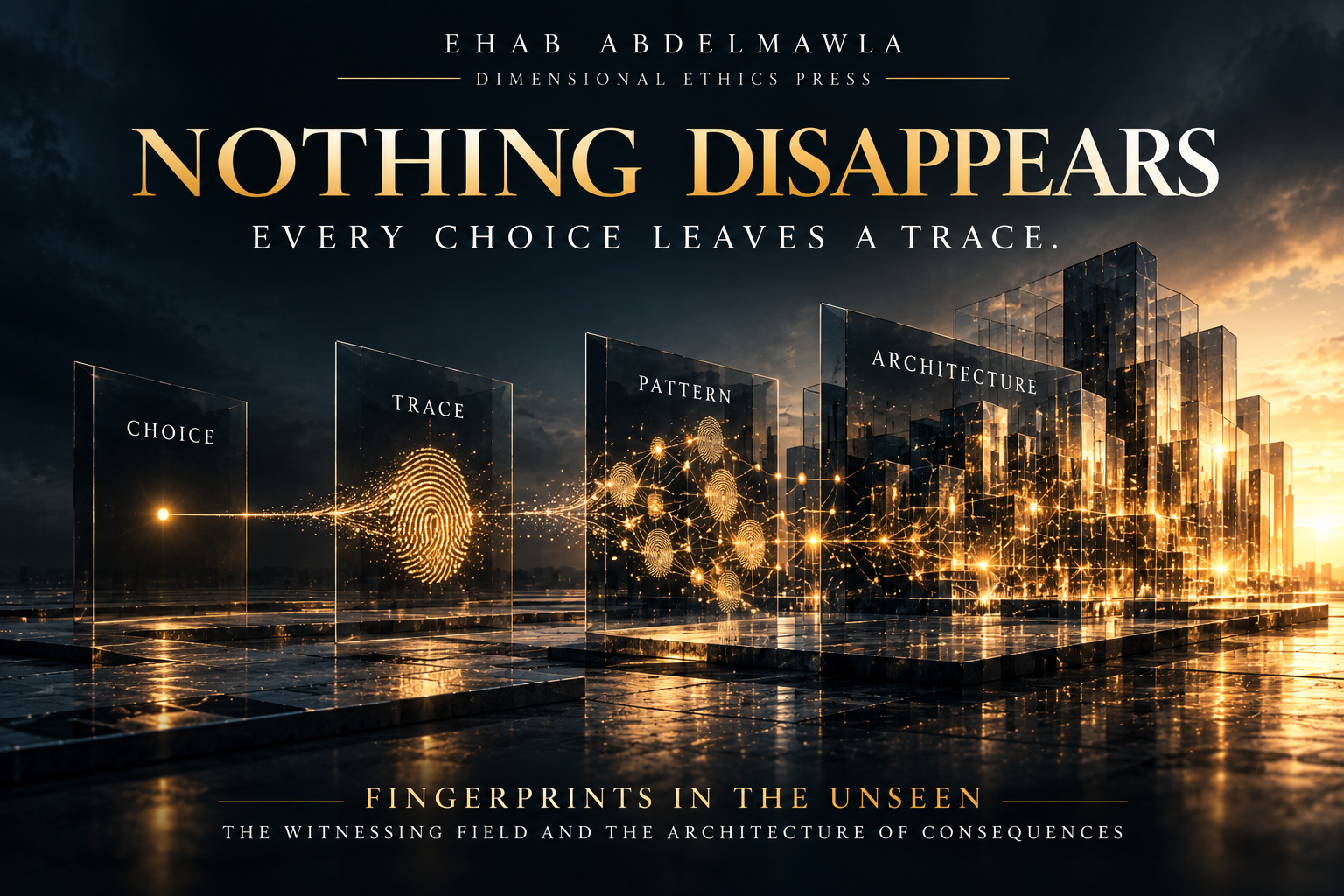
Nothing Disappears
Every Choice Leaves a Trace
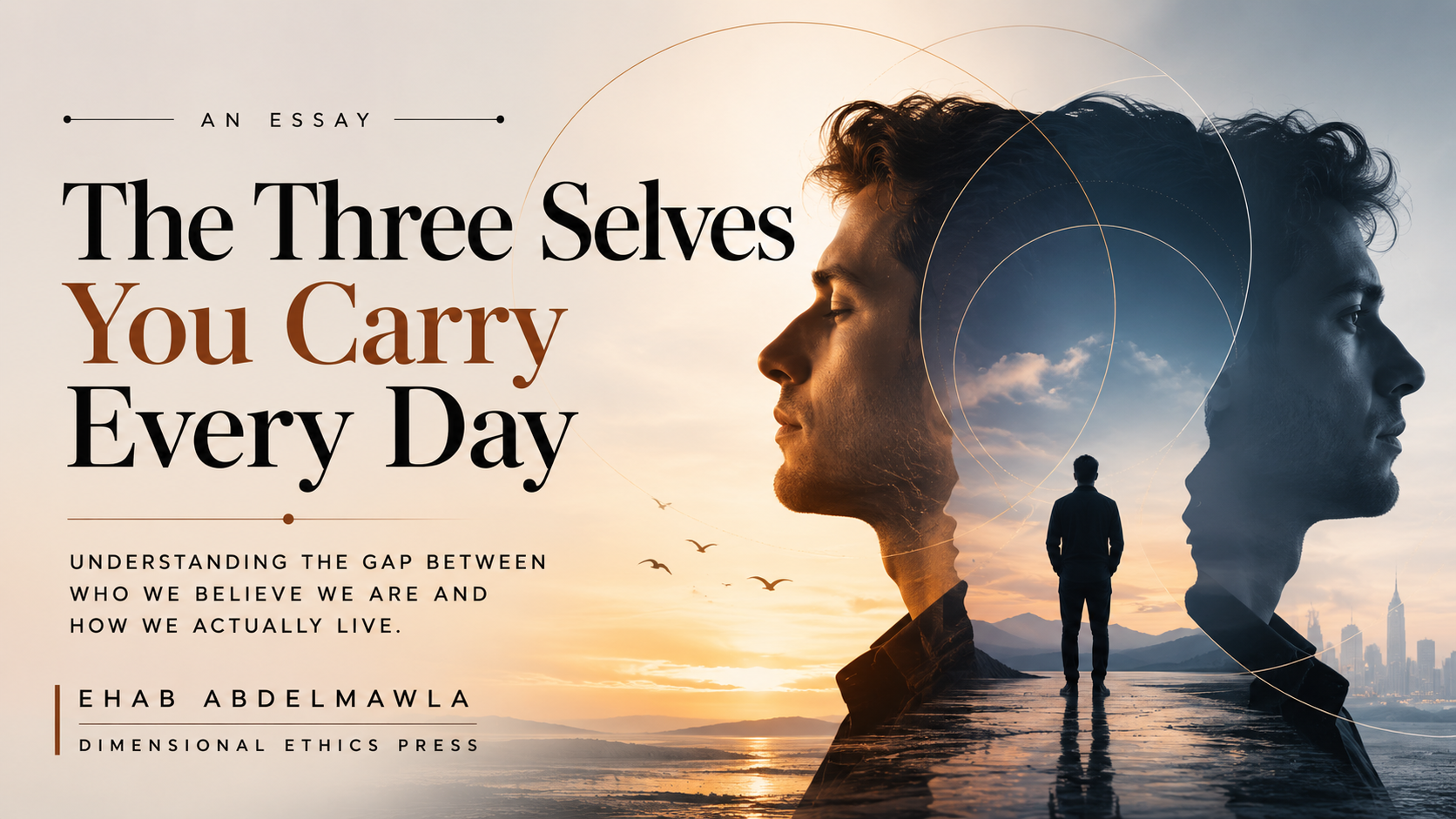
The Three Selves You Carry Every Day
Most people believe they have only one self. The truth is more unsettling: we carry three—and the one making our decisions is not always the one we think.
Every question opens another.
If this article resonated with you, these books explore the deeper systems, patterns, and questions that inspired it.
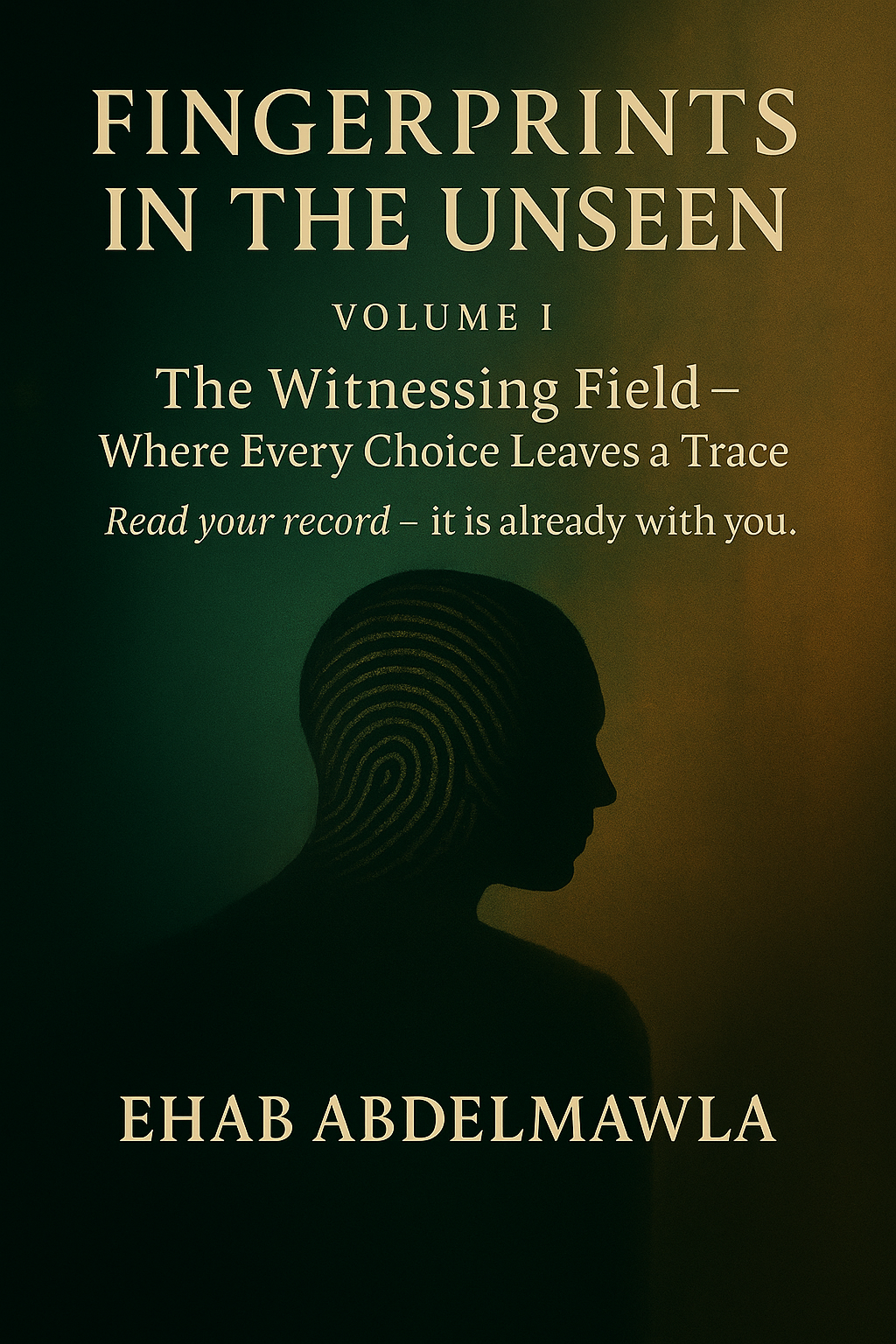
Fingerprints in the Unseen
Exploring Hidden Systems, Consciousness, and the Unseen Structures Shaping Reality
Continue the exploration of hidden patterns, near-death experiences, consciousness, and the deeper questions that lie beneath everyday reality.
Explore the book →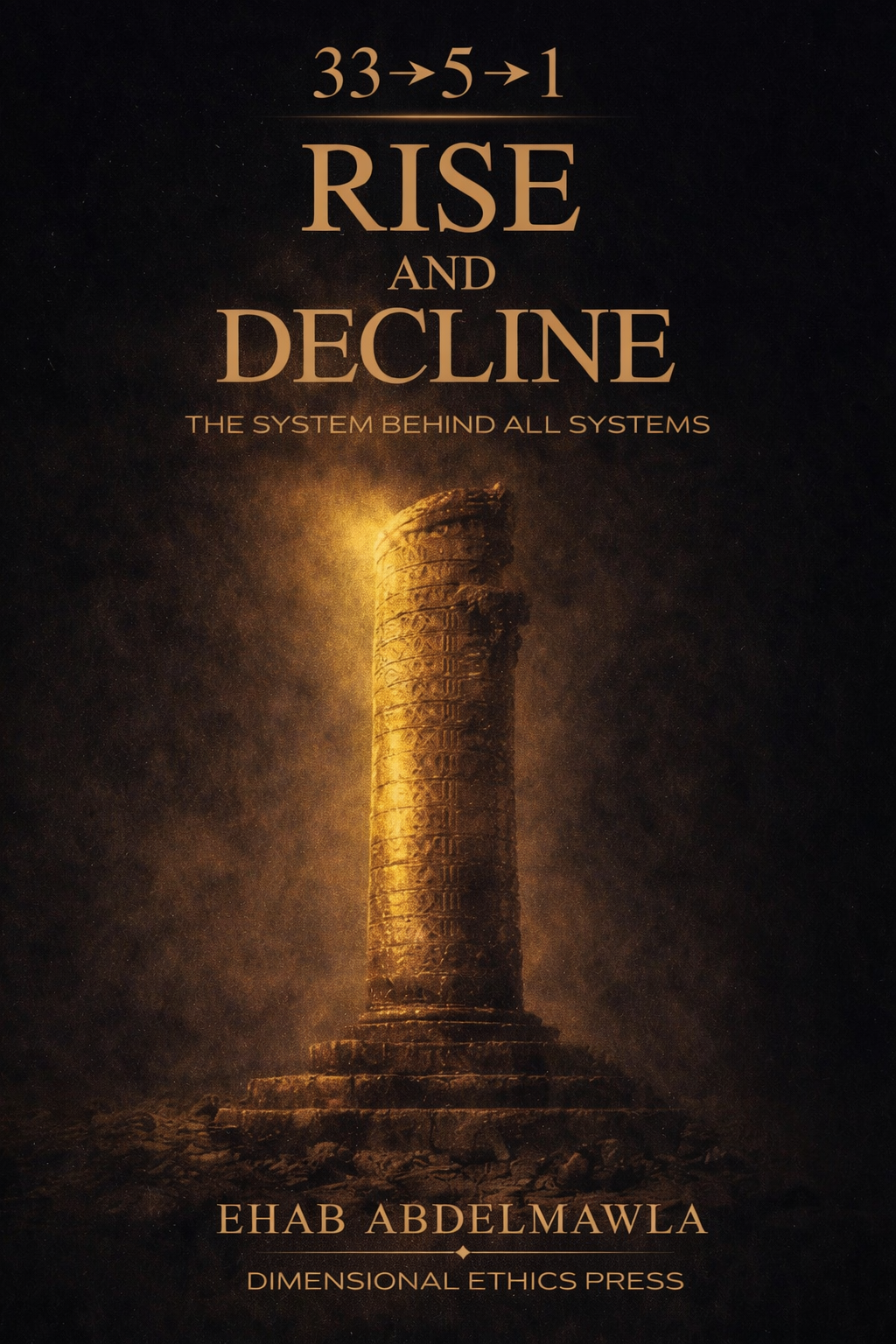
Rise and Decline
The System Behind All Systems
Discover the recurring structures that shape civilizations, institutions, organizations, and human systems across history.
Explore the book →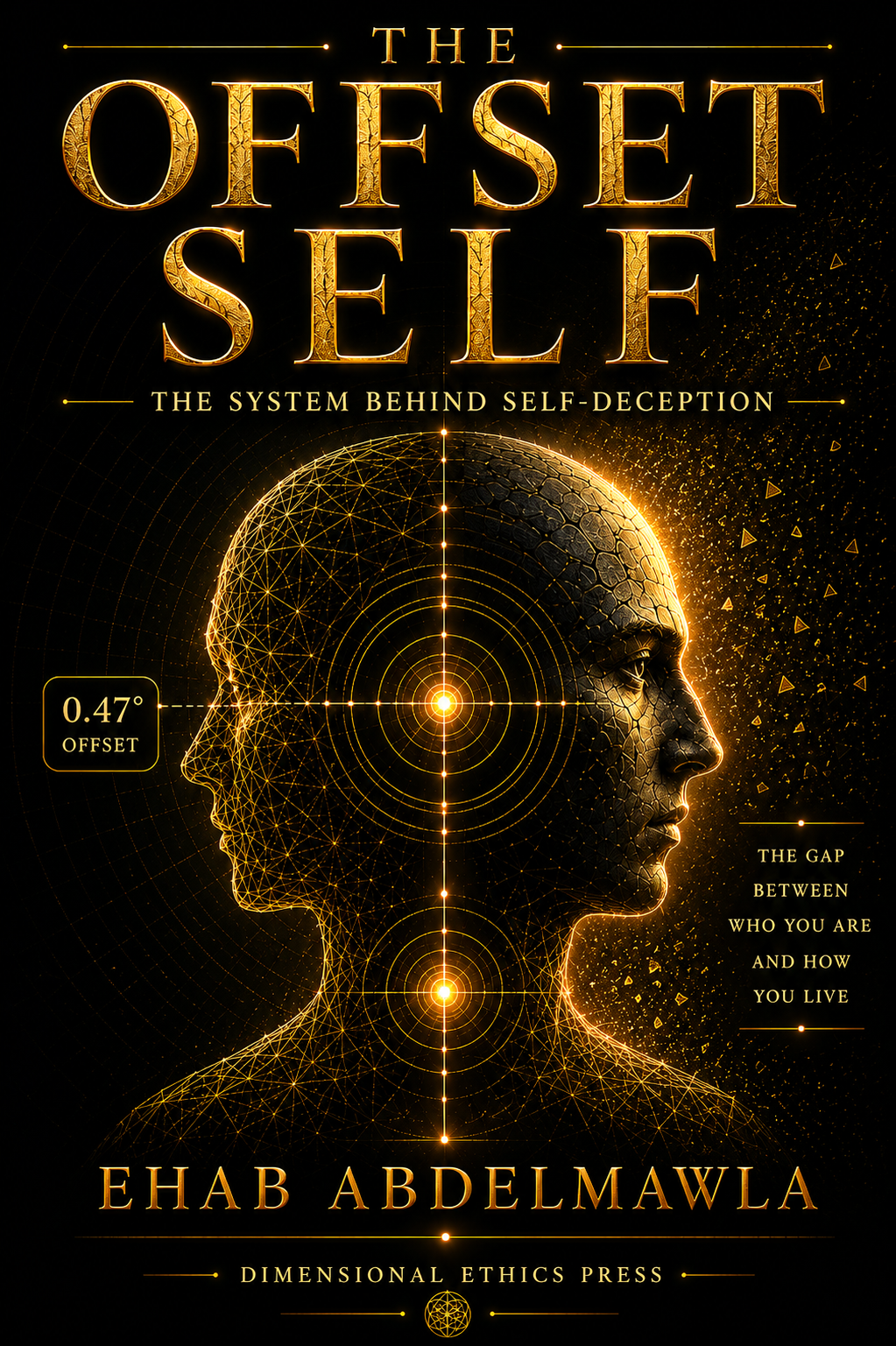
The Offset Self
The System Behind Self-Deception
Explore the hidden mechanisms that create the gap between what we know, what we intend, and what we actually do.
Explore the book →